Small steps. lasting change. true wellness

Creatine & Energy: What It Is, How It Works, and When It Helps
Creatine is one of the most researched supplements in nutrition. This article explains what creatine really is, how it supports energy production in muscles and the brain, and who may (or may not) benefit from supplementation
Elena Abramova
2/7/20266 min read
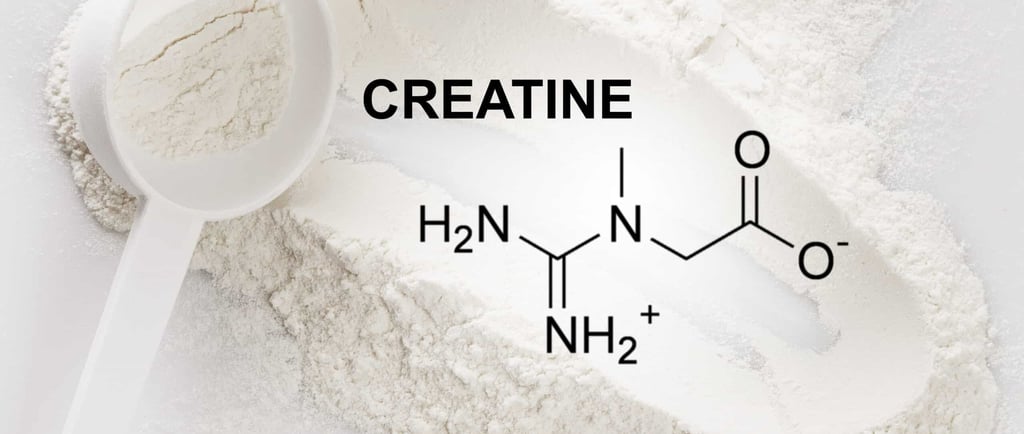
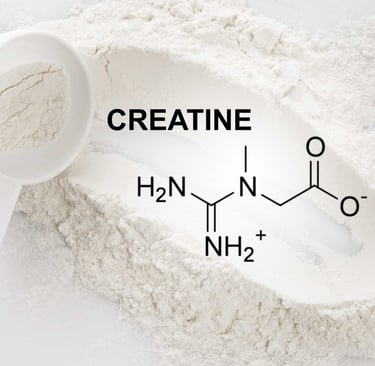
1. What Is Creatine?
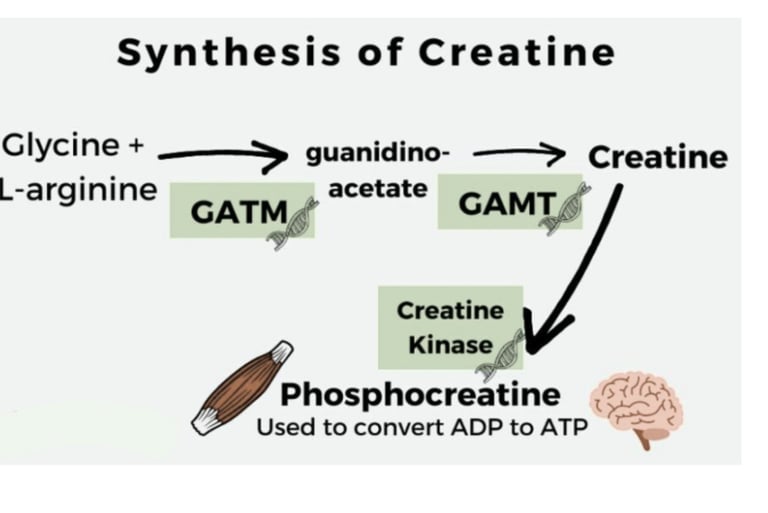
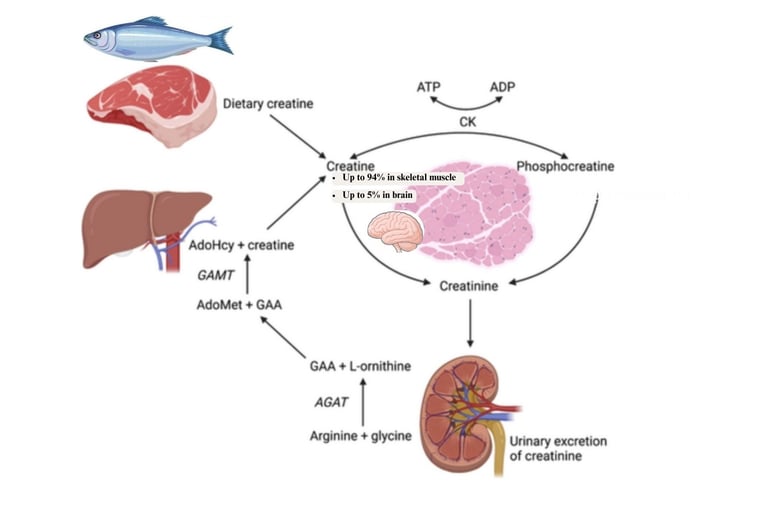
Creatine is a natural compound your body makes from three amino acids: arginine, glycine, and methionine. It’s produced mainly in the liver, kidneys, and small amount in pancreas. About 95% of creatine is stored in skeletal muscles, while the remaining amount is found in the brain, heart, and other organs.
The body makes about ~1g per day (depending on age, muscle mass, and diet), and most people get another ~1-1.5 g per day mostly from meat and fatty fish in a typical diet.
*Important clarifications:
· Creatine is NOT an anabolic steroid. It has no hormonal activity and does not affect testosterone or estrogen.
· Creatine is not addictive. If supplementation stops, the body simply returns to its baseline creatine levels.
2. Why Do We Need Creatine?
Creatine’s main role is in energy production at the cellular level.
Cells use ATP (adenosine triphosphate) as fuel. When ATP releases energy, it becomes ADP. Creatine helps recycle ADP back into ATP quickly via phosphocreatine. This is especially important in cells that need sudden bursts of energy, like muscle cells during exercise and neurons in the brain under high demand.
In simple terms:
👉 Creatine helps cells recharge energy faster.
This mechanism is especially important in tissues with high and fluctuating energy demands, such as:
· Muscles during short, intense activity
· Brain cells during cognitive stress, sleep deprivation, or aging
This system:
Supports rapid energy supply
Helps delay fatigue especially after intensive workouts
Contributes to muscle strength and power
May help energy availability in the brain under stress
3. How Much Creatine Is Enough?
An average person requires ~ 2 g of creatine per day, with about 50% of that amount getting synthesized endogenously in the liver and kidney, and another 50% obtained from an omnivorous diet.
This typically meets daily needs for normal energy metabolism and everyday activity without supplementation.
However, intake may be insufficient when:
· Dietary creatine is low (vegetarian or low-meat diets)
· Energy demands are high (intense training, aging, chronic stress)
Large population studies show that:
· Vegetarians and older adults consume up to 50% less creatine
· ~70% of adults over 65 consume <1 g/day
Top food sources of creatine (per 100 g/3.5 ounces raw):
1. Herring — ~1.25 g
2. Salmon — ~0.5 g
3. Tuna — ~0.45 g
4. Beef — ~0.41 g
5. Chicken — ~0.41 g
4. What Does Creatine Deficiency Look Like?
True creatine deficiency syndromes are rare and usually genetic, occurring when the body can’t make or transport creatine into cells. In these cases, people may have severe neurological symptoms like developmental delays, speech and movement issues, and epilepsy. This shows how important creatine is for brain and muscle energy homeostasis.
In everyday life, low creatine availability (not a genetic deficiency) can contribute to:
Fatigue and low resilience to physical stress
Early muscle tiredness or weakness
Mental fatigue or “brain fog,” especially under stress
Slower recovery after exertion
This is because creatine helps maintain energy supply (ATP) in both muscles and brain cells. When energy demand outpaces supply, people may feel drained or mentally sluggish.
5. When Might Creatine Supplements Help?
👉Athletic Performance
Creatine (especially creatine monohydrate) is one of the most evidence-backed supplements for short-term, high-intensity performance. It can help improve strength, power, and work capacity in training.
👉Brain Energy & Cognition
Although only a small fraction of total creatine is stored in the brain, it plays a key role in neuronal energy buffering.
Research shows creatine supplementation:
· Increases brain creatine levels
· May reduce mental fatigue
· May improve cognitive performance under stress or sleep deprivation
Results are modest and context-dependent, but benefits are more consistent in:
· Older adults
· Vegetarians
· Sleep-deprived or mentally stressed individuals
👉Low Dietary Creatine
People who eat little or no meat/fish (e.g., vegetarians, vegans) may see more noticeable effects because dietary creatine contributes significantly to total creatine stores.
6. Benefits vs Restrictions
In clinical and aging studies, creatine supplementation has been associated with:
Muscle & physical outcomes
Increased muscle mass and strength (especially with resistance training)
Better lower-body strength in older adults
Improved functional performance (e.g., chair rise speed)
Cognitive & energy outcomes
Reduced mental fatigue, especially under stress or sleep deprivation
Improved memory task performance in some older adults
Potential support for processing speed and attention under strain
Daily energy & quality of life
Many users report feeling less fatigued, more focused, and more resilient during demanding days, though individual results vary and lifestyle factors still matter.
Possible Side Effects:
⭐ Slight water retention or stomach upset at higher doses is common.
⭐ Some people report mild gastrointestinal discomfort.
Kidney & Liver Safety
Creatine is one of the most extensively studied supplements and has a strong safety profile in healthy adults, including older populations. Large systematic reviews show no evidence that creatine supplementation at recommended doses damages kidney function in healthy adults, though creatinine levels in blood may rise simply due to increased creatine turnover, not kidney damage.
Who Should Be Cautious?
⚠ People with pre-existing kidney or liver conditions should avoid supplementation or consult a doctor/nutritionist.
⚠ Pregnant women: Human safety data are limited, so supplements are not routinely recommended. Animal research suggests changes in creatine handling but is not directly translatable to humans.
⚠ Children under 18: Safety data are limited; expert consensus suggests caution and medical supervision
7. Creatine for People After 60 and Menopausal Women
As we age and especially after menopause, several changes make creatine supplementation potentially beneficial:
1. Muscle & strength support
Age-related muscle loss (sarcopenia) contributes to weakness and fatigue. Creatine combined with resistance training has been shown to increase lean muscle mass and strength more than training alone in older adults.
2. Energy metabolism
Older individuals may have less efficient energy production. Some research suggests creatine can improve memory performance and aspects of brain function in older adults more than in younger people.
3. Bone & metabolic health
In menopausal women, creatine has shown potential to support lean mass and may help with bone activity (especially when paired with resistance training), which can be important for maintaining strength and metabolic health.
4. Cognitive support during hormonal shifts
Changes in estrogen during menopause can affect energy metabolism and mood. Emerging research suggests creatine may help support cognitive energy and mood regulation during and after menopause, though evidence is still growing
8. Recommended Dosage & How Long to Take It
Standard dose:
👉 3–5 g/day of creatine monohydrate
· No loading phase required
· Consistency matters more than timing
👉 Expected timeline:
· Physical performance: ~3–4 weeks
· Cognitive/energy effects: ~4–8 weeks
⚠ As with any supplement, individual context matters. Discuss with a healthcare provider or nutritionist, especially if you have medical conditions or concerns.
⚠ A high-quality creatine supplement should generally have only one ingredient: Creatine Monohydrate.
9. Key Takeaways
Creatine is not hype, but also not magic
It supports cellular energy, not stimulation
Low creatine availability can contribute to fatigue and cognitive sluggishness, especially under stress.
Older adults and menopausal women may benefit more than younger adults due to age-related changes in muscle, bone, and brain energy metabolism.
Standard supplementation (3–5 g/day) is safe for most healthy adults and can support energy, strength, and mental workload capacity.
Improvements often take 3–8 weeks of consistent use.
👉 Creatine works best as part of a solid nutritional foundation, not as a replacement for sleep, protein intake, micronutrients, or stress management.
👉 As always, discuss with a healthcare professional or nutritionist, especially if you have underlying health conditions or are considering creatine for specific medical concerns.
References:
chrome-extensio//efaidnbmnnnibpcajpcglclefindmkaj/https://crearene.com/wp-content/uploads/2021/09/physrev.2000.80.3.1107.pdf
https://pubmed.ncbi.nlm.nih.gov/17430086/
https://www.sciencedirect.com/science/chapter/handbook/abs/pii/B9780444595652000538?via%3Dihub
https://www.mdpi.com/1422-0067/25/24/13273
https://aspenjournals.onlinelibrary.wiley.com/doi/10.1002/jpen.2607
https://pmc.ncbi.nlm.nih.gov/articles/PMC7871530/
https://www.health.com/foods-with-creatine-11702732
https://www.tandfonline.com/doi/full/10.1080/15502783.2024.2441760
Disclaimer
The information provided on this website is for educational and informational purposes only. It is not intended as a substitute for professional medical advice, diagnosis, or treatment. Always consult with your physician or another qualified healthcare provider with any questions you may have regarding your health or a medical condition.